Basement Waterproofing NJ Checklist for First-Time Homeowners
Buying your first home in New Jersey comes with a long list of surprises, and the basement tends to deliver some of the most expensive ones. A living room with fresh paint can hide very little. A basement can hide a lot. Moisture stains behind stored boxes, a hairline crack that only seeps during heavy rain, a sump pump that works just well enough to pass a quick showing, these are the kinds of details that turn a simple cleanup into a real repair budget.
New Jersey homes face a particular mix of conditions that make basement water issues common. Older housing stock, seasonal freeze-thaw cycles, clay-heavy soils in some counties, high water tables in certain areas, and intense summer downpours all work against a dry foundation. Even well-built homes can struggle if grading settles, gutters clog, or drainage systems age out. For a first-time homeowner, that matters because basement moisture is rarely just a cosmetic nuisance. It can damage framing, ruin finishes, encourage mold growth, and quietly lower indoor air quality throughout the house.
The good news is that effective waterproofing is usually less mysterious than it sounds. The hard part is knowing where to look, what matters most, and when a fix is simple versus when it points to a larger structural or drainage problem. If you are thinking about Basement Waterproofing NJ, this checklist will help you evaluate your basement with a practical eye and make smarter decisions before a minor damp spot becomes a major repair.
Start with what the water is actually doing
One of the most common mistakes first-time homeowners make is treating every basement moisture problem like the same problem. It is not. There is a difference between occasional humidity, surface condensation, seepage through masonry, water entering at the cove joint where the floor meets the wall, and active flooding from hydrostatic pressure. If you skip that distinction, you can spend money on the wrong fix.
A basement that smells musty every summer may have a humidity control problem more than a leakage problem. A basement with peeling paint on block walls may be dealing with moisture vapor moving through the masonry. A basement that takes on water only during prolonged storms usually points toward exterior drainage failure, not random bad luck. A finished basement with damp carpet along one wall might be showing you where outside grading is directing runoff straight toward the foundation.
When I walk through a basement with a new homeowner, I pay close attention to pattern. Is the moisture isolated to one corner or spread along an entire wall? Does it happen after snowmelt, after heavy spring rain, or any time the air turns humid? Is there white, chalky efflorescence on the wall, or actual standing water on the slab? These details matter because the best waterproofing plan starts with a diagnosis, not a product.
What first-time homeowners should inspect right away
Before calling anyone, spend an hour doing a careful walkthrough inside and outside the house. You are not trying to become a waterproofing contractor overnight. You are trying to gather enough evidence to make good decisions and ask better questions.
Use this checklist as your first pass:
- Check basement walls and floor for efflorescence, discoloration, peeling paint, damp spots, rust on metal surfaces, warped trim, and hairline or wider cracks.
- Look at the outside grade around the home. Soil should slope away from the foundation, not toward it, and mulch beds should not trap water against the wall.
- Inspect gutters and downspouts. Downspouts should discharge well away from the house, not dump water right beside the footing.
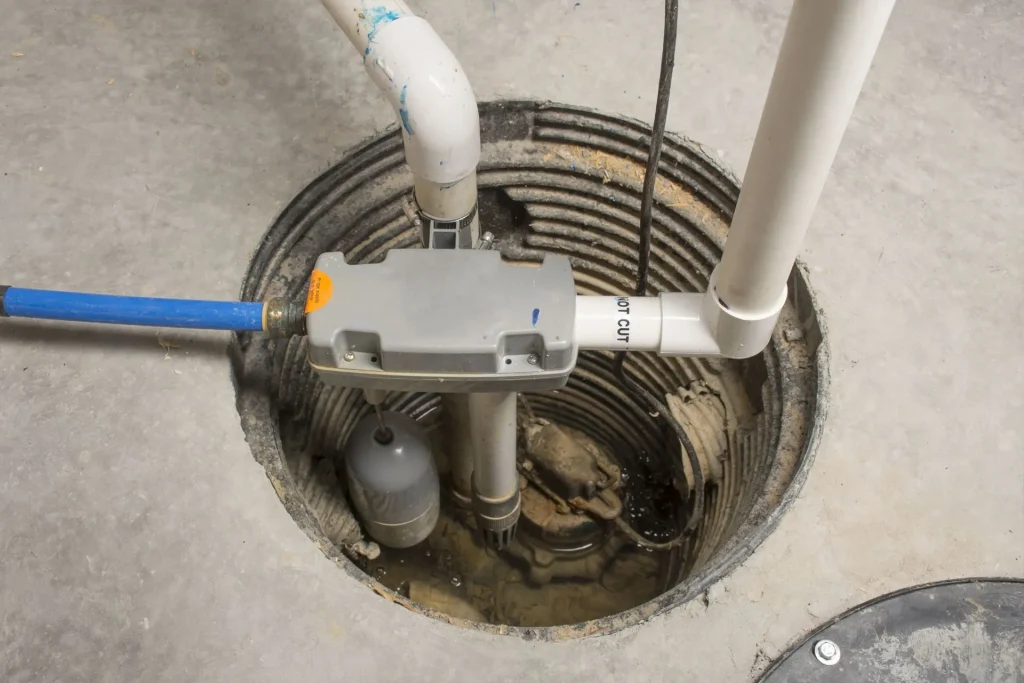
- Test the sump pump if you have one. Pour water into the pit and confirm it activates, pumps, and discharges properly.
- Note basement humidity and odor. A persistent musty smell often shows up before visible water damage.
This short inspection catches more issues than many buyers expect. I have seen basements that looked clean and dry until you noticed a faint tide line behind the water heater or a downspout elbow disconnected under a deck. Those are not dramatic discoveries, https://connerlaxq473.focalledger.com/posts/how-to-choose-the-right-basement-waterproofing-nj-contractor but they are exactly the details that tell the story.
The New Jersey factor most homeowners underestimate
Basement problems are local. Advice that works in Arizona or even parts of the Midwest does not always map neatly onto New Jersey. The state has a wide range of home ages and site conditions. In North Jersey, older stone and block foundations are common. In Central and South Jersey, you may run into areas with high groundwater or sandy soil that behaves very differently from dense clay. Coastal influence can also change moisture dynamics, especially in lower-lying zones where drainage can be slower and storm events more intense.
That matters because Basement Waterproofing NJ often involves more than sealing a crack and hoping for the best. In many parts of the state, heavy storms put pressure on everything at once. Roof runoff increases, surface water builds near foundations, and groundwater levels rise. If the home has poor grading, short downspout discharge, and a marginal sump system, those weaknesses can stack up quickly.
Seasonality is another issue. Homeowners often call for help in late spring or after a summer cloudburst, but the conditions that caused the problem may have developed over years. Settled backfill beside the foundation, clogged footing drains, and slowly deteriorating mortar joints do not announce themselves early. The first obvious leak is often just the first one the owner noticed.
Learn the difference between water control and water proofing products
The word waterproofing gets used loosely. Homeowners hear it and picture a coating, membrane, or miracle sealer. In practice, successful basement waterproofing usually means controlling where water goes before it enters, then managing whatever still reaches the foundation.
That is why many basement problems are solved first with exterior drainage corrections. Clean gutters, extended downspouts, proper grading, and in some cases swales or drain lines can dramatically reduce water near the house. These are not glamorous fixes, but they are often the most cost-effective. If roof runoff pours directly next to the footing, no interior paint-on coating is going to solve the root problem.
Interior systems also have a role, especially where exterior excavation is impractical or groundwater pressure is persistent. A perimeter drainage channel with a sump pump can relieve water pressure below the slab and direct it safely out. That approach does not stop water from reaching the outside of the wall, but it manages intrusion reliably if designed and maintained well.
The point is simple. Real basement waterproofing is a system, not a can of sealant.
Cracks are common, but not all cracks mean the same thing
Finding a crack in a basement wall tends to spike anxiety fast, especially for first-time homeowners. Some concern is fair. Some is not. Many poured concrete foundations develop shrinkage cracks, and some are manageable if they are narrow, stable, and not actively leaking. The trouble starts when homeowners either panic over harmless cosmetic defects or ignore warning signs that deserve professional attention.
Vertical cracks in poured concrete are often less serious than horizontal cracks, though they still need evaluation if water is entering. Horizontal cracks, bowing walls, step cracks in block or masonry, or cracks wider than roughly a quarter inch deserve closer scrutiny because they can suggest lateral soil pressure or structural movement. That does not automatically mean catastrophe, but it does mean you want an experienced opinion, not guesswork.
I remember a first-time buyer who almost spent thousands on a full interior system because of one wet corner and two visible wall cracks. The actual cause was a failed downspout connection and settled soil beside the front stoop. The cracks were real, but the water path was the key. Once exterior drainage was corrected and one crack was professionally injected, the basement stayed dry. That kind of outcome is common when diagnosis comes first.
Humidity can mimic a leak
Not every damp basement is leaking through the walls. In New Jersey summers, warm humid air enters a cool basement and condenses on pipes, ductwork, and even concrete surfaces. Homeowners then see dampness or smell mustiness and assume groundwater is pushing in. Sometimes it is. Sometimes the issue is that the basement air is simply carrying too much moisture.
If windows are left open during humid weather, the problem often gets worse. So does running an unvented dryer improperly, storing wet items, or having no dehumidification at all. A basement relative humidity above about 60 percent can support mold growth even without visible puddles.
The clues are usually there if you know what to look for. Condensation tends to collect on cold surfaces and can be more widespread during humid spells. Leakage from outside often leaves more localized staining, efflorescence, or recurring seepage after rainfall. A hygrometer is inexpensive and useful. If the air consistently reads high humidity, a dedicated dehumidifier may be part of the solution even if you still need drainage improvements.
The sump pump deserves more respect than it gets
In houses with below-grade basements, the sump pump is one of the most important mechanical components in the building. It is also one of the most neglected. Many first-time owners do not know how old it is, whether it has a battery backup, or where the discharge line ends. They assume that if it is sitting there, it must be fine.
That assumption can get expensive. Pumps fail. Floats stick. Discharge pipes freeze. Check valves wear out. Power goes out during storms, which is exactly when the pump is most needed. A pump with no backup in a storm-prone area is a weak point, especially if the basement stores utilities, laundry equipment, or finished materials.
If your home relies on a sump system, treat it as preventive maintenance, not emergency equipment. Test it. Clean the pit if debris builds up. Confirm the discharge line carries water away from the house. In many New Jersey homes, a battery backup or water-powered backup is worth serious consideration, particularly where basement flooding would damage living space or mechanical systems. This is not fear-based spending. It is practical risk management.
Basement finishing can hide trouble
First-time homeowners often inherit partially finished basements, and these spaces can be deceptive. Fresh vinyl flooring, painted drywall, and neatly trimmed columns may look like value added. Sometimes they are. Sometimes they are simply covering a moisture problem that has not been solved.
Be cautious if you notice new materials installed low on the wall, mismatched baseboards, or a recently repainted lower section. Pay attention to smells in closed rooms or closets. If a basement has a fully finished perimeter with no visible access to the foundation walls, ask whether a history of water entry exists and what waterproofing work, if any, was completed before finishing.
A well-finished basement should be built with moisture in mind. That means materials that tolerate occasional humidity better than traditional drywall and carpet, some thought given to insulation and vapor control, and confidence that water management is already in place. Finishing first and waterproofing later is the backwards sequence that causes repeat headaches.
When an exterior solution makes more sense
Interior drainage systems are common because they can be effective and less disruptive than full excavation. But there are times when the correct answer is outside. If water is entering around a bulkhead, through visibly deteriorated foundation walls, or because grading is severely wrong, exterior correction may be the smarter long-term move.
Excavation is more invasive and often more expensive, especially around patios, walkways, landscaping, or tight property lines. Still, there are cases where repairing the exterior wall, applying a proper waterproof membrane, replacing drainage board, or fixing footing drain issues addresses the problem more directly than managing water after it gets in. Older masonry or stone foundations sometimes benefit from carefully chosen repointing and exterior water management rather than generic interior fixes.
This is where homeowner judgment matters. The cheapest estimate is not always the best estimate, and the most expensive system is not automatically the most complete one. Good contractors explain why they are recommending a specific approach based on your house, not a one-size-fits-all pitch.
Questions worth asking any waterproofing contractor
If you are comparing contractors for Basement Waterproofing NJ, the quality of the conversation tells you a lot. A solid contractor does not rush straight to a package price. They inspect, ask when the problem occurs, and explain their reasoning in plain language.
Ask these questions before signing anything:
- What do you believe is the main source of the water, and what evidence supports that?
- Are you recommending exterior corrections, interior drainage, crack repair, humidity control, or a combination?
- What maintenance will the system require over time, especially the sump pump and discharge line?
- What conditions could make this estimate change once work begins?
- What does the warranty cover, and what does it not cover?
Those questions tend to separate thoughtful contractors from aggressive sales operations. You want clear answers, not evasive reassurance. If someone dismisses visible site drainage issues and jumps straight to selling an interior system, keep your guard up. If someone claims a paint-on coating alone will solve active seepage under hydrostatic pressure, be skeptical.
Budgeting without underestimating the ripple effects
Costs vary widely because basement water problems vary widely. A straightforward downspout extension and regrading correction may be relatively modest. A full interior perimeter drainage system with sump replacement is a bigger project. Exterior excavation and foundation membrane work can climb further depending on access, depth, and site conditions.
What first-time homeowners often miss is the secondary cost of delay. Water in the basement does not just threaten the basement. It can damage HVAC equipment, water heaters, washers and dryers, stored belongings, electrical components, insulation, and finished surfaces. It can also affect resale value. During a future sale, a documented moisture history may lead buyers to ask harder questions, request credits, or walk away if the issue looks unresolved.
There is also the quality-of-life factor. Even when visible damage seems minor, damp basements change how the house feels. Musty air drifts upstairs. Storage becomes risky. Projects get postponed because nobody wants to frame or finish a space that may take on water. Solving the problem early often pays off in usable square footage and peace of mind, even before you calculate hard dollars.
Red flags that should move your timeline up
Some conditions justify quick action. Standing water is obvious, but there are quieter warning signs that deserve the same urgency. If you notice several of the following at once, do not put the issue on a vague someday list.
Persistent musty odor, visible mold on organic materials, recurring dampness after rain, rusting furnace or water heater components, and cracks that seem to widen or accompany wall movement all raise the stakes. The same is true if your sump pump runs constantly during wet periods or not at all when it clearly should. Water problems tend to accelerate, not stabilize, once conditions favor them.
In one older New Jersey home, the owner ignored a small recurring wet strip along a basement wall for two years because it dried between storms. By the time they called for help, lower drywall in the adjacent finished room had to be removed, stored items were ruined, and the rim joist area showed early mold growth. The original fix would have been relatively simple. The delayed fix involved remediation, demolition, and a much larger bill.
A practical order of operations
If your basement shows signs of moisture, the best path is usually staged rather than impulsive. Start with the exterior basics because they are easy to verify and often overlooked. Clean gutters, extend downspouts, restore positive grading, and keep water moving away from the foundation. Document what changes and when.
If moisture persists, bring in a reputable waterproofing specialist or foundation professional who can distinguish between drainage issues, crack-related entry, hydrostatic pressure, and structural concerns. If the diagnosis points to interior drainage or sump improvements, ask how the system handles power outages, maintenance, and discharge routing. If exterior excavation is proposed, make sure the reason is clearly tied to site conditions or wall condition, not just preference.
At the same time, control indoor humidity. Even with good drainage, basements in New Jersey often benefit from dehumidification during warm months. This keeps the space healthier and makes it easier to tell whether you are dealing with actual leakage or just damp air.
Why first-time homeowners do best with a conservative mindset
There is a temptation to either minimize basement water concerns or overreact to every stain. Neither approach serves you well. The safer mindset is conservative and observant. Take the signs seriously, but let evidence guide the fix. Respect simple solutions when they fit, and do not let cosmetic improvements persuade you that the underlying problem has been handled.
A dry basement is rarely the result of luck. It usually reflects a chain of good decisions, roof water directed properly, grading maintained, cracks repaired correctly, pumps tested, humidity managed, and materials chosen with below-grade reality in mind. That is especially true for Basement Waterproofing NJ, where weather and soil conditions can expose weak links quickly.
For a first-time homeowner, this is one of the more valuable systems to understand because it sits at the intersection of structure, drainage, air quality, and long-term maintenance. Learn how your house handles water. Keep records of what you observe. Fix the basics before they become complications. A basement does not need to be perfect to stay dry, but it does need a plan.
ARD Waterproofing
Address: 98 Smull Ave, West Caldwell, NJ 07006
Phone number: +12016465936
FAQ About Basement Waterproofing NJ
What is the best waterproofing method for a basement?
The best overall approach to waterproofing a basement is a combined exterior and interior system that stops water at the foundation wall and safely manages any moisture that gets through.
What is the average cost to waterproof a basement?
The average cost to waterproof a basement ranges from $2,500 to $15,000, with most homeowners paying around $5,200 for a complete project.
Can a basement be waterproofed from the inside?
Yes, a basement can be waterproofed from the inside, and it is often the most affordable and least disruptive method.